
Our Editorial Methodology
At Kinesiowellness, we are committed to producing evidence-informed content about movement, physical activity, and strengthening exercises. This page outlines our rigorous editorial process, research standards, and quality assurance practices that ensure every article meets our high standards for accuracy and accessibility.
Content Creation Process
Research & Topic Selection
Our editorial team identifies topics aligned with current reader needs and scientific literature. We focus on subjects related to movement optimisation, physical activity for sedentary workers, strengthening exercises for adults aged 30–65, and gentle activity approaches. Each topic is vetted against peer-reviewed sources, professional guidelines, and reader feedback.
- Quarterly editorial planning meetings
- Reader survey and engagement analysis
- Literature review and database screening
Source Verification & Expert Consultation
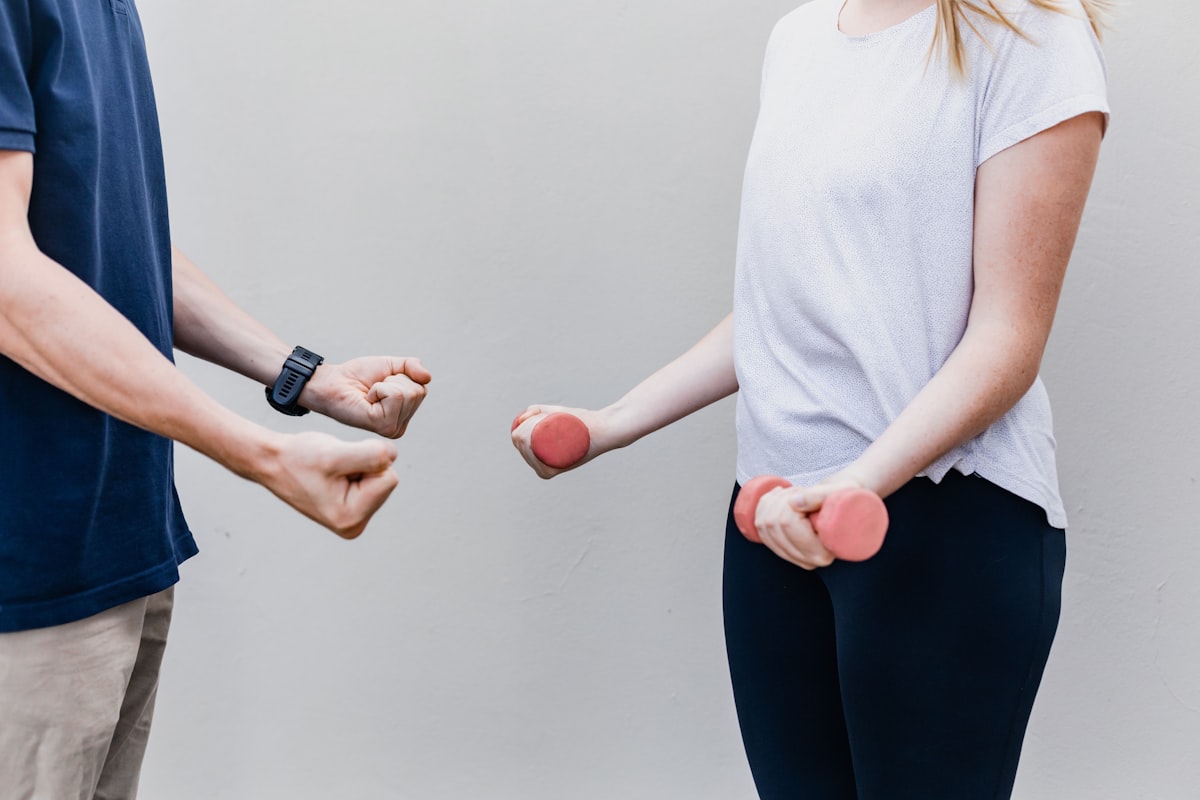
Before writing, our team compiles primary sources: academic journals, professional associations, and movement science literature. We consult with movement specialists and health professionals to validate exercise descriptions, safety considerations, and progression principles. All information is cross-referenced against at least three independent authoritative sources.
- PubMed and Google Scholar database searches
- Expert interviews with movement professionals
- Multi-source cross-validation checklist
Content Writing & Exercise Description
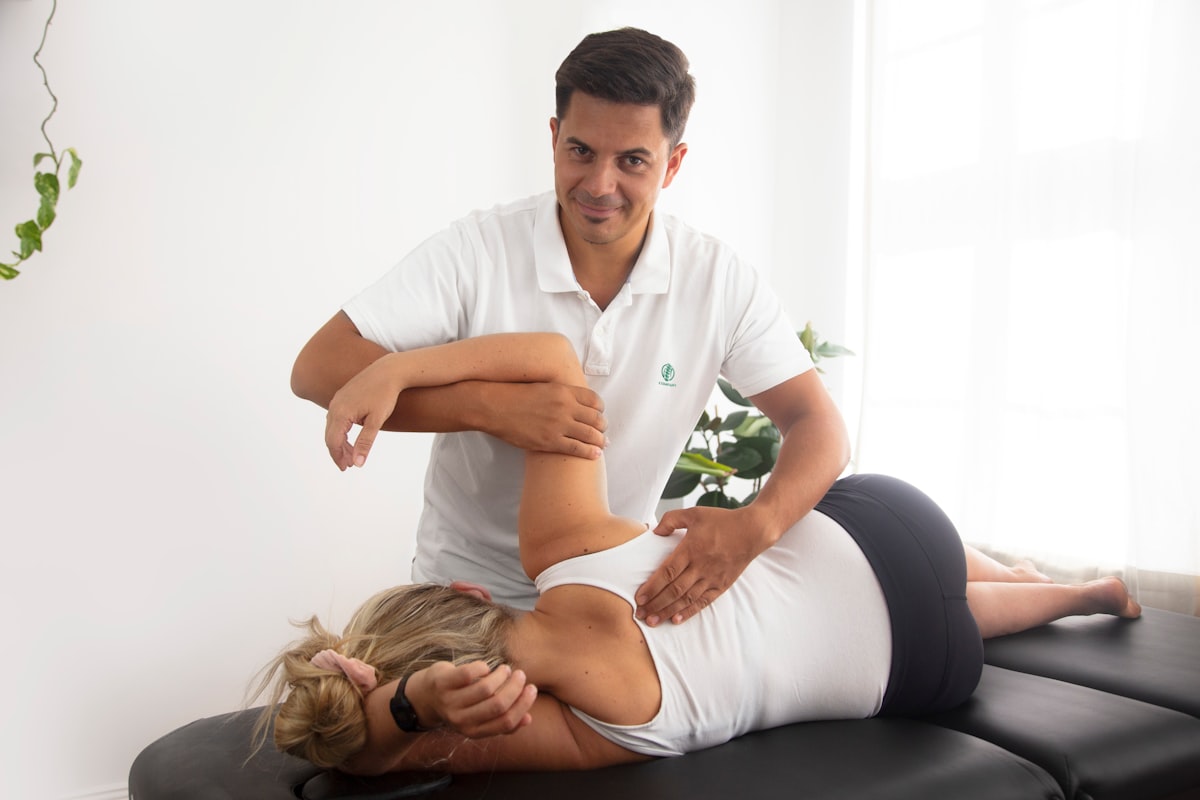
Our writers create detailed, accessible articles with clear exercise instructions, cue descriptions, and progression options. Each article balances scientific accuracy with readability for audiences aged 30–65. We avoid jargon, include illustrative examples, and provide context for why specific movements support comfort and lightness in daily activity.
- Step-by-step movement progressions
- Clear anatomical references and positioning
- Accessibility adaptations for different fitness levels
Editorial Review & Accuracy Check
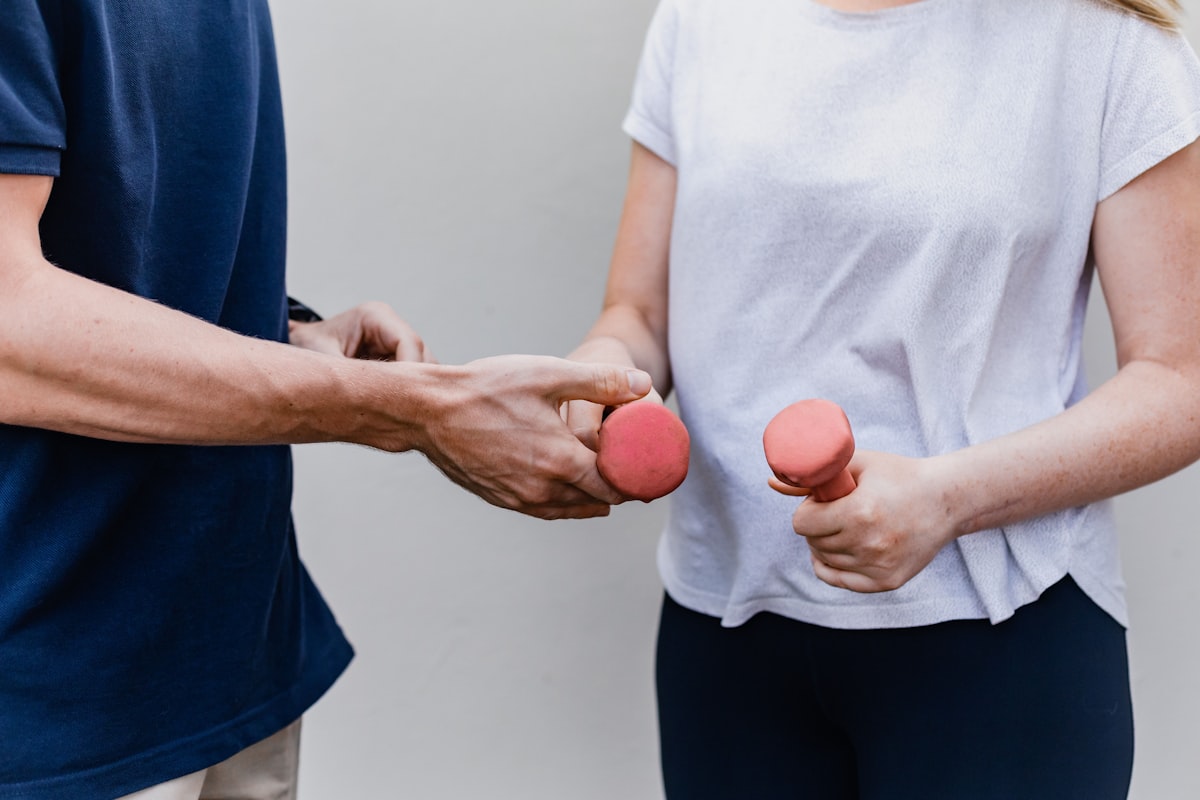
Every article undergoes independent review by our editorial board. Reviewers verify accuracy of exercise descriptions, check for outdated claims, confirm proper use of language, and ensure adherence to our ethical guidelines. This multi-layer review process typically takes 5–7 working days and may involve revisions or clarifications with the original writer.
- Double-blind peer review by editorial board
- Fact-checking against original sources
- Compliance check with health communication standards
Publication & Metadata Tagging
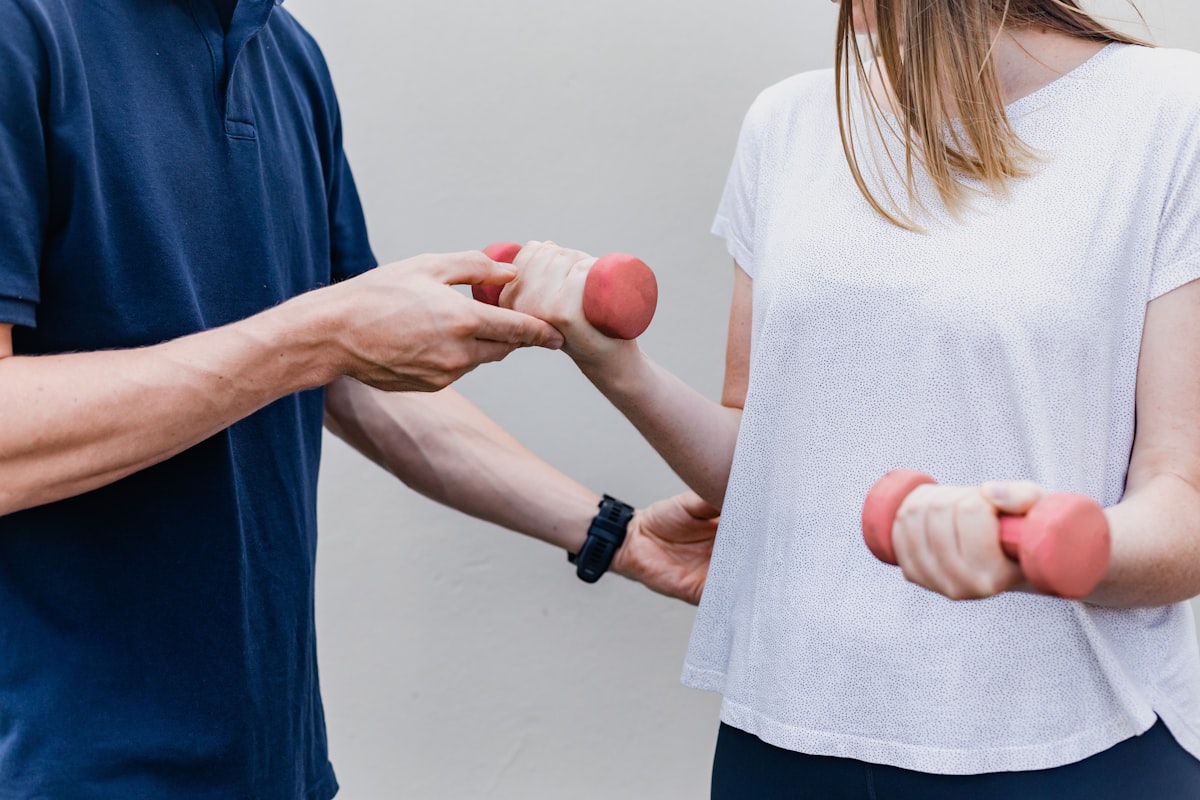
Once approved, content is published with complete metadata: publication date, author byline, last updated date, relevant tags, and disclaimers. We include clear citations for any referenced research. Each article features a disclaimer reminding readers to consult appropriate professionals before beginning new physical activity, and we link to our full disclaimer page.
- Author credentials and bio display
- Standardised disclaimer placement
- SEO optimisation and category assignment
Ongoing Monitoring & Updates
Published articles are periodically reviewed for continued accuracy. When new research emerges or guidelines change, we update content and note the revision date prominently. We track reader feedback and comments, responding to questions and incorporating constructive corrections. Articles older than two years receive a full accuracy audit.
- Annual content audit and refresh cycle
- Responsive updates to emerging research
- Reader feedback integration and correction log
Quality Assurance Criteria
Evidence-Based Sourcing
All exercise recommendations are rooted in peer-reviewed research, professional guidelines, or expert consensus. We prioritise systematic reviews and meta-analyses over single studies. Sources must be published in recognised academic or professional journals within the past five years, unless discussing foundational anatomical or biomechanical principles.
- ✓ Minimum 3 independent sources per claim
- ✓ Preference for recent literature (within 5 years)
- ✓ Clear distinction between evidence and expert opinion
Safety & Liability
Content emphasises safe progression principles and includes appropriate disclaimers. We avoid prescriptive language that positions movement guidance as medical treatment. Every article includes a disclaimer directing readers to consult with healthcare or movement professionals before beginning new physical activity, especially if they have existing conditions or concerns.
- ✓ No treatment or diagnosis claims
- ✓ Clear disclaimer on every article
- ✓ Emphasis on individual variation and adaptation
Accuracy & Clarity
Exercise descriptions are anatomically precise and use clear, consistent terminology. We avoid medical jargon and explain technical terms in accessible language. Movement cues are specific enough for implementation yet flexible enough to allow individual variation. Images and descriptions are coordinated to prevent confusion.
- ✓ Anatomical accuracy verification
- ✓ Readability score (target: age 14+ reading level)
- ✓ Consistent terminology across articles
Audience Appropriateness
Content is tailored for our primary audience: adults aged 30–65, particularly those with sedentary work habits or seeking gentle activity without intensive training. Progression paths accommodate different fitness levels. We consider accessibility needs, including descriptions suitable for visual, auditory, or mobility adaptations where relevant.
- ✓ Age-appropriate language and examples
- ✓ Multiple progression options included
- ✓ Consideration of typical work patterns and constraints
Structural & Technical Standards
Articles follow consistent formatting: clear headings, subheadings for sections, bullet points for easy scanning, and descriptive link text. Metadata is complete: author name and credentials, publication date, last updated date, and relevant topic tags. Internal links point only to verified, existing pages. External links include context explaining why the resource is referenced.
- ✓ H1/H2/H3 hierarchy compliance
- ✓ Complete metadata and authorship
- ✓ Only verified and active links used
Impartiality & Transparency
We disclose our editorial perspective and any partnerships or sponsorships. Content is not influenced by commercial interests. If an article discusses multiple approaches or tools, we present them neutrally or clearly state our reasoning for preference. Author credentials and potential conflicts of interest are disclosed.
- ✓ No hidden commercial bias
- ✓ Transparent author credentials
- ✓ Balanced representation of different viewpoints
Primary Research Sources & References
Academic Databases
Our writers and reviewers conduct systematic searches across leading research databases to identify current, peer-reviewed evidence on movement, exercise physiology, and physical activity benefits.
-
PubMed – National Library of Medicine's life sciences literature database
-
Google Scholar – Free, comprehensive search of scholarly literature across disciplines
-
Scopus – Multidisciplinary citation database covering peer-reviewed research
-
Web of Science – Citation index for tracking research impact and connections
Professional Guidelines & Standards
We consult position statements and guidelines from respected professional organisations to ensure alignment with current best practice in movement and physical activity promotion.
-
UK National Health Service (NHS) – Physical activity guidance and movement advice
-
British Association for Sport and Exercise Science (BASES) – Evidence-based sport science guidelines
-
American College of Sports Medicine (ACSM) – Evidence-based exercise guidelines globally recognised
-
World Health Organisation (WHO) – Global physical activity recommendations and research
Expert Consultation
We collaborate with movement specialists, exercise physiologists, and health professionals to validate content accuracy and ensure practical applicability.
-
Movement specialists – Professionals with expertise in exercise prescription and biomechanics
-
Exercise physiologists – Experts in how the body responds to physical activity
-
Health communication specialists – Professionals ensuring accessibility and clarity
-
Practitioners with field experience – Those working with diverse populations and fitness levels
Textbooks & Educational Resources
Academic and professional references covering movement science, anatomy, and therapeutic protocols.
-
Functional Movement Systems – Anatomy and biomechanics textbooks
-
Research journals – PubMed, Google Scholar, and peer-reviewed publications
-
Professional certification bodies – IYCA, ISSN, NASM resources
What Our Users Say
Discover how Kinesiowellness has transformed movement assessment and client outcomes.
Sarah Mitchell
Sports Physical Therapist
"Kinesiowellness has become an indispensable tool in my practice. The assessment protocols are evidence-based and my clients see real results faster."
James Chen
Fitness & Conditioning Coach
"The personalized movement recommendations have revolutionized how I design programs. My clients feel understood and see measurable progress."
Elena Rossi
Clinical Exercise Specialist
"A game-changer for my practice. The evidence-based approach gives me confidence in my assessments and my clients trust the recommendations."
Frequently Asked Questions
Find answers to common questions about Kinesiowellness.
What qualifications do I need to use Kinesiowellness?
Kinesiowellness is designed for fitness professionals, physical therapists, athletic trainers, and healthcare practitioners with relevant certifications and experience in movement assessment. We recommend foundational knowledge in anatomy and biomechanics.
How often should clients be reassessed?
Assessment frequency depends on individual goals, injury status, and training phase. We recommend initial assessment, then follow-up evaluations every 4-8 weeks during active programming, or when transitioning between training phases.
Is Kinesiowellness suitable for special populations?
Yes. Kinesiowellness provides modified assessment protocols for various populations including older adults, post-rehabilitation clients, and those with chronic conditions. Always follow physician clearance and adapt assessments to individual limitations.
Can I use Kinesiowellness for group classes?
While comprehensive individual assessments are most effective, Kinesiowellness principles can inform group class design and modifications. Consider individual assessments for personalized outcomes and optimal safety.
What documentation should I maintain?
Maintain comprehensive records of all assessments, client responses, modifications made, and outcome measures. Documentation should be secure, detailed, and comply with relevant healthcare regulations and professional standards.
Ready to Transform Your Movement Assessment?
Join thousands of movement professionals using Kinesiowellness to deliver better results and build client confidence.